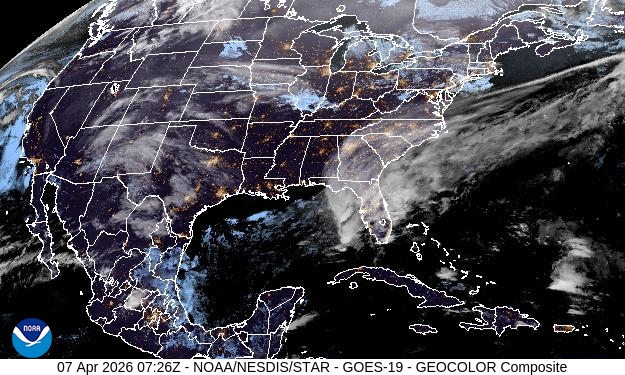
Explore Boston's Four Distinct Seasons: Snow, Sun, & Sea Breezes
Boston, Massachusetts, is a city renowned for its rich history, vibrant culture, and—perhaps most dynamically—its ever-changing weather. For residents and visitors alike, understanding the nuances of Weather Boston offers a deeper appreciation for this coastal gem. Unlike many urban centers, Boston truly showcases four distinct seasons, each bringing its own unique character, challenges, and charm. From the stark beauty of a snow-covered Public Garden to the warm, humid days cooled by Atlantic breezes, and the spectacular foliage of autumn, Boston's climate is a central part of its identity.
Situated on Massachusetts Bay and the vast Atlantic Ocean, Boston experiences a humid continental climate, yet its coastal proximity significantly moderates what might otherwise be more extreme temperatures. Prevailing west-to-east atmospheric flows ensure a constant interplay of polar and tropical air masses, leading to frequent weather shifts and consistent precipitation throughout the year. There's no truly "dry" season here; instead, you'll find a steady rhythm of rainfall and, in winter, snowfall. These oceanic influences are critical, bringing those much-welcomed sea breezes in summer and tempering the bite of winter's coldest days.
The Humid Continental Heartbeat of Boston's Climate
At its core, Boston's climate is defined by three primary factors: its mid-latitude position within a zone of westerly winds, its location near frequent low-pressure storm paths, and its east-coast setting. These elements conspire to create a climate that is both predictable in its seasonal rotation and wonderfully unpredictable in its daily variations. The city sits on a fascinating climatic boundary, often classified as a hot-summer humid continental climate (Dfa) under the Köppen system, characterized by hot, humid summers and cold, snowy winters. However, depending on specific temperature thresholds, it can even border on a humid subtropical climate (Cfa), a testament to the moderating power of the ocean. For a deeper dive into this fascinating classification, explore Boston's Borderline Climate: Coastal Factors Shaping Its Weather.
This transitional placement means that while Boston experiences significant winter cold, it often avoids the bitter extremes found further inland. The interaction between land and sea also gives rise to "nor'easters" – powerful coastal storms that can bring substantial rain or, more famously, heavy snow, often making headlines and impacting travel. These systems are a key characteristic of Weather Boston, especially during the colder months.
Winter in Boston: Snowy Charm and Chilly Realities
When winter descends upon Boston, typically from December to March, the city transforms into a picturesque, often snow-laden landscape. Temperatures drop, and the air takes on a crisp, biting quality. Average daily maximums in January hover around 36°F (2°C), with minimums around 22°F (-6°C). Snowfall is a significant feature, averaging around 49.2 inches annually, though this can vary dramatically year to year. You might experience anything from light dustings to major blizzards that temporarily shut down the city, leaving behind a pristine, white blanket.
Embracing Boston's Winter
- Dress in Layers: Warm, waterproof outerwear is essential, along with hats, gloves, and scarves.
- Footwear is Key: Opt for waterproof boots with good traction, especially for navigating snowy or icy sidewalks.
- Enjoy the Scenery: Winter offers unique photographic opportunities, from frosted trees in the Boston Common to the tranquil, snow-dusted brownstones of Beacon Hill.
- Indoor Retreats: Explore Boston's world-class museums, cozy cafes, and historic taverns for a warm escape.
Spring Awakening: Mild Transitions and Unpredictable Skies
As winter's grip loosens, Boston slowly awakens to spring. March can still feel quite wintry, with occasional late-season snowfalls, but by April and May, milder temperatures and the first signs of green emerge. Spring in Boston is a period of beautiful transition, marked by blooming cherry blossoms and tulips, and the increasing energy of outdoor life. However, it's also a season of unpredictability. The prevailing westerly winds mean that cold fronts can still sweep through, making it possible to experience everything from warm, sunny days to chilly, damp ones within a single week.
Navigating Spring Weather in Boston
- Layer, Layer, Layer: Even more so than winter, spring calls for versatile layering, as temperatures can fluctuate widely from morning to afternoon.
- Always Carry an Umbrella: Spring showers are frequent, contributing to the year-round precipitation.
- Outdoor Delights: Take advantage of the pleasant days to stroll along the Esplanade, visit the Public Garden, or enjoy an outdoor patio.
Summer in Boston: Warm, Humid, and Breezy Afternoons
Summers in Boston, primarily from June to August, are characterized by warmth and humidity. Average daily maximum temperatures in July reach around 82°F (28°C), with minimums around 66°F (19°C). These months can feel sticky, but the city's coastal location offers a welcome reprieve. Sea breezes from the Atlantic often sweep in during the afternoon, providing a natural cooling effect that can make even the warmest days more tolerable. Summer rainfall often comes in the form of scattered showers and occasional thunderstorms, helping to clear the air.
Making the Most of Boston's Summer
- Stay Hydrated: Drink plenty of water, especially if you're exploring the city on foot.
- Seek Shade: Take breaks in parks, museums, or air-conditioned shops.
- Embrace the Water: Enjoy ferry rides, harbor cruises, or simply relax by the waterfront to catch those cooling breezes.
- Evening Comfort: Evenings are generally pleasant, perfect for outdoor dining or a stroll.
Autumn's Embrace: Cool Air and Explosions of Color
Many consider autumn (September to November) to be Boston's most glorious season. The warm, humid air of summer gives way to crisp, cool temperatures, and the city's abundant trees explode in a breathtaking display of red, orange, and gold. This is when Weather Boston is often at its most idyllic, with comfortable daytime temperatures, clear skies, and a refreshing coolness in the air. It's an ideal time for sightseeing and exploring, as the natural beauty complements the city's historic charm.
Experiencing Boston's Fall
- Plan a Foliage Drive: While Boston itself offers beautiful colors, consider a day trip to the surrounding New England countryside for truly spectacular leaf peeping.
- Outdoor Festivals: Autumn is a popular time for outdoor events, markets, and walking tours.
- Layers for Comfort: While days can be sunny and mild, evenings quickly turn cool, so a jacket or sweater is advisable.
Beyond the Seasons: Key Climatic Factors and Future Outlook
Beyond the seasonal cycles, several underlying climatic factors shape Boston's daily weather. Precipitation, for instance, is a consistent companion, averaging 43.59 inches annually, distributed fairly evenly throughout the year. Heavy fog is not uncommon, occurring about two days per month, especially near the coast. Strong winds, often reaching 30 mph or higher, are also a regular feature, particularly in winter, adding to the perceived cold. Relative humidity, while varying, rarely drops to extremely low levels, contributing to the overall feel of a coastal climate.
Looking ahead, Boston's climate, like many other regions, is showing significant warming trends. Recent decades have seen rising average temperatures, an increase in overall precipitation, and a higher frequency of extreme rain events. Interestingly, while total precipitation has increased, snowfall frequency has seen a reduction. These changes are part of broader regional patterns, including more hot days, fewer very cold nights, and heightened risks of coastal flooding due to sea level rise. To understand more about these crucial shifts and their implications, read Boston's Changing Weather: Warming Trends & Future Climate Risks.
Conclusion
The Weather Boston experience is truly one of dynamic contrasts and engaging transitions. From the snowy winters and mild springs to the warm, humid summers and brilliantly colorful autumns, each season offers a unique lens through which to appreciate this historic city. Its coastal location, proximity to storm paths, and mid-latitude position combine to create a climate that is never dull. Whether you're planning a visit or calling Boston home, understanding its distinct seasons and preparing for their unique demands will ensure a more enjoyable and fulfilling experience in this vibrant New England metropolis.