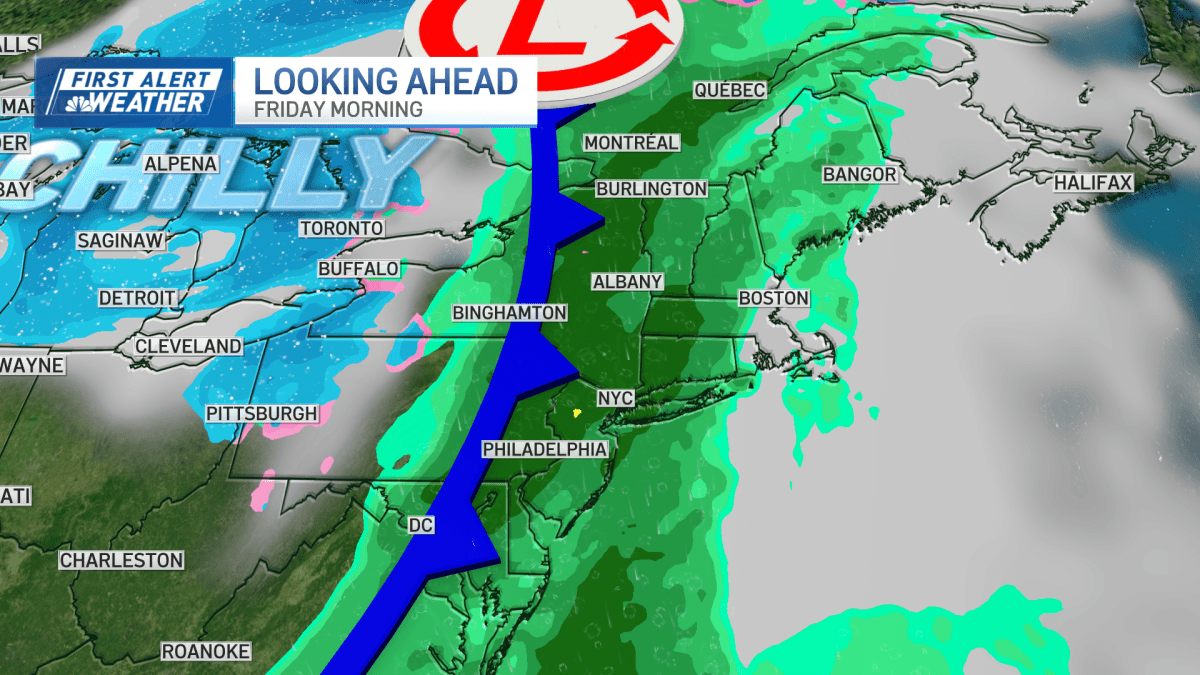
Boston's Enduring Climate Character: A Coastal Moderated Humid Continental
Boston, Massachusetts, is a city renowned for its rich history, vibrant culture, and perhaps most notably, its dynamic and often unpredictable weather Boston. Situated gracefully on Massachusetts Bay and the broad expanse of the Atlantic Ocean, the city experiences a humid continental climate that is significantly moderated by its coastal location. This unique geographical positioning gifts Boston with four distinct seasons, each bringing its own charm and challenges. From the crisp, snow-laden days of winter to the warm, humid embrace of summer, and the mild, colorful transitions of spring and autumn, Boston's climate is a lively interplay of natural forces.
The intricate dance of atmospheric flows plays a crucial role in shaping Boston's weather. Prevailing west-to-east currents consistently usher in alternating polar and tropical air masses, creating a climate ripe for frequent changes. Furthermore, Boston's proximity to major storm tracks ensures an abundance of precipitation year-round, making a "dry season" virtually non-existent. Oceanic influences are powerful moderators, manifest in refreshing sea breezes that temper the intensity of summer afternoons and mitigate the bite of winter's coldest waves. These coastal dynamics are also responsible for the infamous "nor'easters"—powerful coastal storms that frequently drench the region in heavy rain or blanket it in significant snowfall, especially during the colder months.
Three primary factors are at the heart of Boston's climatic identity: its mid-latitude position within the zone of westerly winds, its location near frequent low-pressure storm paths, and its east-coast setting, which acts as a natural buffer against extreme temperatures. Winters typically usher in cold temperatures and considerable snowfall, primarily from December through March. Summers, conversely, are warm and humid, often punctuated by afternoon thunderstorms. Consistent rainfall patterns mean that both low-pressure systems and convective showers contribute to the steady precipitation totals throughout the year. To delve deeper into the seasonal variations, explore Explore Boston's Four Distinct Seasons: Snow, Sun, & Sea Breezes.
Historically, average temperatures have shown clear seasonal distinctions. Normal daily maximums typically range from a chilly 36°F (2°C) in January to a balmy 82°F (28°C) in July. Corresponding normal daily minimums span from 22°F (-6°C) in January to 66°F (19°C) in July, based on the 1991–2020 period. In recent years, the annual average temperature has hovered around 54°F (12°C). Precipitation averages approximately 43.59 inches annually, with snowfall averaging around 49.2 inches, though these amounts can fluctuate significantly from one year to the next. Other notable weather phenomena include heavy fog, which occurs about two days per month, and strong winds (30 mph or higher), particularly common in winter. Relative humidity generally remains moderate, rarely dipping to extremely low levels.
Decoding the Warming Trend: A New Era for Weather Boston
While Boston's climate has always been characterized by its variability, recent decades have unveiled a pronounced and concerning trend: significant warming. The weather Boston experiences is undeniably shifting, reflecting broader regional and global climate patterns. These changes are not subtle but are manifesting in several key indicators, pointing towards a future climate distinct from the historical norms.
One of the most evident signs is the rise in average temperatures. Boston is experiencing more hot days, particularly during the summer months, and a noticeable reduction in the frequency of very cold nights during winter. This shift has implications for everything from energy consumption for cooling to the health of vulnerable populations. Hand-in-hand with rising temperatures is an observed increase in overall precipitation, coupled with a worrying rise in the occurrence and intensity of extreme rain events. This means that while annual rainfall might increase, it's often delivered in shorter, more powerful bursts, straining urban drainage systems and increasing flood risks.
Conversely, snowfall frequency has seen a reduction in recent decades. While Boston can still experience significant snowstorms, the overall trend points to fewer individual snowfall events. This doesn't necessarily mean less snow in total during a big storm, but rather fewer days where snow falls, and a shorter duration of snow cover on the ground. These shifts are profoundly impacting the city's seasonal character, altering what residents have come to expect from their winters and summers.
These warming trends also bring into focus Boston's unique position on the Köppen climate classification boundary. Most sources categorize Boston as a hot-summer humid continental climate (Dfa), characterized by hot, humid summers and cold, snowy winters. However, the classification is on a knife-edge, depending on whether a 0°C or -3°C isotherm is used for the coldest month's mean temperature. With Boston's average January temperature at Logan International Airport hovering around -1°C (30°F), it sits directly on this borderline. As average winter temperatures continue to rise, there's a real possibility that Boston could transition towards a humid subtropical climate (Cfa), where the coldest month's average temperature stays above -3°C. This potential reclassification underscores the profound changes underway and highlights Boston's Borderline Climate: Coastal Factors Shaping Its Weather. Such a shift would mark a significant departure from the city's historical climate identity.
Forecasting the Future: Climate Risks and Resilience in Boston
The observed warming trends in Boston's weather are not just academic curiosities; they translate into tangible future climate risks that the city must actively address. Understanding these potential challenges is the first step towards building a more resilient Boston for generations to come.
Perhaps the most significant and immediate risk stems from sea level rise. As a coastal city, Boston is acutely vulnerable to rising ocean levels, which exacerbate coastal flooding. High tides, storm surges, and even routine heavy rainfall now pose a greater threat to low-lying areas, historic waterfront properties, and critical infrastructure. This heightened risk means more frequent and severe coastal inundation, impacting transportation, commerce, and daily life.
The increase in extreme rain events presents another pressing concern. While Boston has robust stormwater management systems, they were designed for historical precipitation patterns. More intense, short-duration downpours can overwhelm these systems, leading to urban flash flooding in streets, basements, and subway lines. This not only causes property damage but also creates public health hazards and disrupts essential services. The strain on infrastructure, from aging pipes to transportation networks, will only intensify.
More frequent and intense heatwaves, a direct consequence of rising average temperatures and more hot days, pose significant public health risks. Vulnerable populations, including the elderly, young children, and those with pre-existing health conditions, are particularly susceptible to heat-related illnesses. The demand for energy to power air conditioning units will also surge, potentially straining the power grid and contributing to higher utility costs. Beyond human health, ecosystems will also feel the impact. Changes in temperature and precipitation patterns can alter local flora and fauna, potentially shifting growing seasons for plants, impacting agriculture, and even influencing the ranges of pests and allergens.
Boston is not passively awaiting these changes. The city is actively engaged in developing and implementing climate resilience strategies. This includes investing in green infrastructure projects to better manage stormwater, elevating critical infrastructure, improving coastal defenses, and developing early warning systems for extreme weather events. These proactive measures are vital for mitigating the impacts of a changing climate and safeguarding Boston's future.
Navigating Change: Practical Adaptations for Bostonians
As Boston's weather continues to evolve, adapting to the new normal becomes a shared responsibility. Both the city and its residents have crucial roles to play in building resilience and ensuring Boston remains a thriving, livable urban center. Here are some practical insights and actionable advice:
- Stay Informed: Regularly check local weather forecasts and advisories from reliable sources, especially during periods of extreme heat, heavy rain, or potential coastal flooding. Understanding the specific risks for your neighborhood is crucial for timely preparedness.
- Prepare for Heatwaves: With more hot days expected, take proactive steps. Ensure your home has adequate ventilation or cooling. Stay hydrated, avoid strenuous outdoor activities during peak heat, and know where local cooling centers are located. Check on elderly neighbors or those who may be vulnerable to heat.
- Flood Preparedness: If you live in a flood-prone area, understand your risk. Consider flood insurance, elevate valuable possessions, and have an emergency kit ready. For homeowners, consider green infrastructure solutions like rain gardens or permeable pavers to help manage stormwater on your property.
- Conserve Resources: Energy and water conservation not only reduces your environmental footprint but also contributes to overall city resilience. Using energy-efficient appliances and conserving water can lessen the strain on utility systems, especially during extreme weather events.
- Support Green Infrastructure: Advocate for and support urban planning initiatives that prioritize natural solutions. Green spaces, tree planting, and permeable surfaces can help absorb excess water, reduce urban heat island effects, and improve air quality.
- Understand Seasonal Shifts: Be aware that traditional seasonal patterns may be less predictable. This means adjusting expectations for everything from gardening schedules to outdoor activity planning. Flexibility is key when dealing with evolving weather Boston.
- Community Engagement: Participate in local climate resilience planning efforts. Your input can help shape policies and projects that protect your community. Local government often provides resources and workshops on preparedness.
Boston's commitment to climate action, outlined in initiatives like "Resilient Boston," emphasizes a multi-faceted approach, from protecting its coastline with natural barriers and elevated structures to upgrading infrastructure and fostering community preparedness. By integrating sustainable practices into daily life and supporting these broader city-wide efforts, Bostonians can collectively navigate the challenges of a changing climate.
Conclusion
Boston's weather has always been a defining characteristic of the city, a vibrant tapestry woven from its coastal location, mid-latitude position, and proximity to major storm tracks. However, the narrative is undeniably shifting. The city is experiencing clear warming trends, marked by rising average temperatures, more extreme rainfall events, and altered snowfall patterns. These changes bring with them significant future climate risks, particularly heightened coastal flooding due to sea level rise, increased urban flooding from intense downpours, and public health concerns from more frequent heatwaves. Yet, Boston is a city of resilience and innovation. By understanding these shifts, embracing proactive adaptation strategies, and fostering a community-wide commitment to preparedness, Boston can continue to thrive, adapting its historic charm and modern dynamism to face the evolving climate of the 21st century.